
If you’ve noticed one already this spring, you’re definitely not the only one. We’ve had a few people across East Kilbride and Glasgow saying the same thing over the past couple of weeks; “it feels a bit early, right?”
Most people expect wasps later in the year, so seeing one in April can catch you off guard. In reality though, this is right around the time wasp season starts to kick off in the UK, even if it doesn’t feel like it yet.
Wasps Early Spring UK: Why They Appear So Soon
Wasps are not the kind of pests that stay active all year, that’s because over winter, the colony dies off and only the newly-hatched queens survive. They hibernate their way through the colder months, usually hidden away in a safe space in your loft, an old dry shed, some open wall cavities or anywhere else they can find that is sufficiently sheltered.
Once the temperatures start to rise after the colder months, the queen wasps begin to come out of hibernation and start looking for somewhere to build a new nest. This is the very beginning of nest building, and it happens earlier than most people expect.
At this stage, there’s no full nest yet and no worker wasps. It’s just the queen getting started.
If you want a broader idea of how pest activity changes through the year, you can read our guide on seasonal pest activity here: Spring Pest Activity Explained
What You’re Actually Seeing
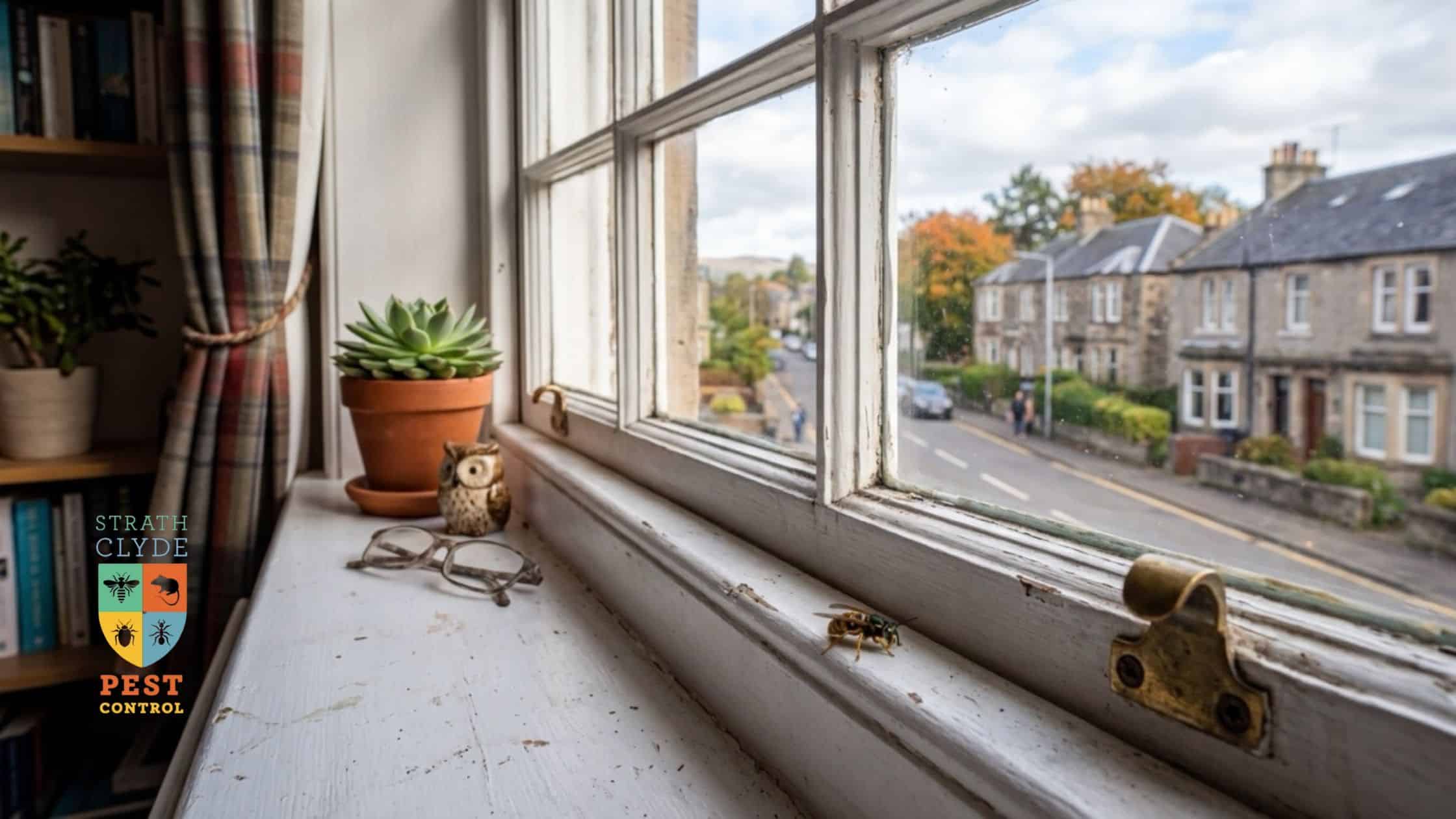
So, if you are seeing a single wasp on its own, especially indoors or around windows, it’s almost always a queen! They can look a bit slow or sluggish, which is why people often describe them as lethargic wasps. They’ve just come out of hibernation and are still getting their sea legs as it were.
We see this every year around East Kilbride once the weather starts picking up. Quite often it’s someone spotting one in the loft or near a light fitting and assuming there’s already a nest. Most of the time however, there isn’t, but it does mean one could be starting nearby!
Where Wasps Build Nests
The queen will begin he search for a new nest, and once she finds a suitable spot, she’ll start building a small nest using chewed wood pulp. These early season wasp nests are tiny, think no bigger than a golf ball, so they are super easy to miss.
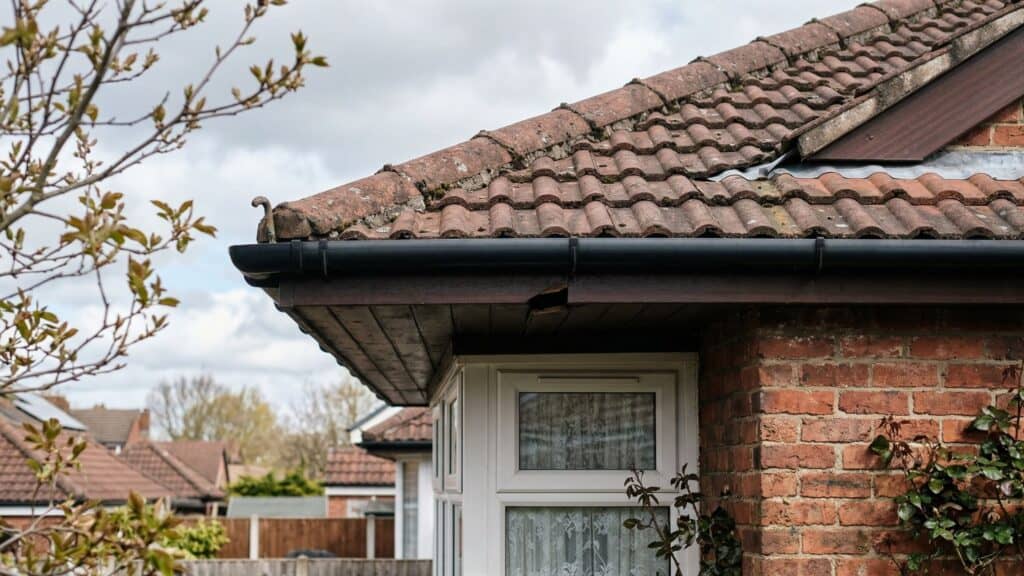
Where do these nests normally start? The most typical nesting sites include similar places to where they hibernate such as loft spaces, sheds, eaves of houses and wall cavities. It’s interesting that like us choosing a home, queen wasps choose each nesting site based on shelter and warmth. This is likely why the same areas come up again and again in homes across Glasgow and East Kilbride.
If left undisturbed, that small nest will grow steadily over the coming weeks.
For more on how nesting pests use different areas of the home, you can also read: Strange Noises in the Loft?
Should You Be Concerned?
At this stage, the risk is fairly low. A single wasp or two in April is not the same as a full infestation later in the year. That said, this is the point where it’s easiest to deal with. As we move into the summer months, worker wasps start to emerge and the colony grows quickly. That’s when activity increases and the risk of the fearsome wasp sting becomes more noticeable. So if these early sitings are left too long, these nests can become much harder to manage, particularly once they are well established and buzzing with workers.
For general guidance on wasps and how they behave, the British Pest Control Association has some useful information.
What You Can Do
If you find a wasp indoors, it’s usually best (and sometimes tricky) to try and get it back outside. Opening a window is often enough. It’s also worth keeping an eye on areas like loft spaces, sheds and roof edges over the next few weeks. As you’re going up and down to the attic for your big spring clean, its a good chance to check and see if you see any warning signs of renewed wasp activity. Be careful though not to confuse old dead nests with new activity; if you’re unsure feel free to give us a call!
Also it’s good to keep up the normal tricks to keep wasps at bay. Try to avoid leaving sugary foods or drinks exposed, particularly once activity starts increasing. That’s one of the main things that attracts wasps later on.
If you’re unsure whether activity is building, it’s always safer to get a second opinion. You can learn more about how we deal with nests on our Wasp Nest Removal Service
When to Contact Pest Control
If you start seeing increased wasp activity in the same area, or you spot early signs of a new active wasp nest, it’s usually best to get it checked, as we have said a few times, small nests are much easier to deal with than larger ones later in the season. Once a colony gets established, it becomes a much more involved job.
At Strathclyde Pest Control we deal with wasp nests across East Kilbride and Glasgow every year, so if you need advice or want us to take a look, you can contact us directly here: Contact Strathclyde Pest Control
Final Thoughts
Seeing wasps early in spring can feel unusual, but it’s just part of their natural cycle. What you’re usually seeing is a queen starting a new colony and looking for somewhere to build. It’s nothing to panic about, but it’s worth keeping an eye on. If activity increases or you’re unsure what’s going on, it’s always easier to deal with it early rather than leaving it until later in the year.