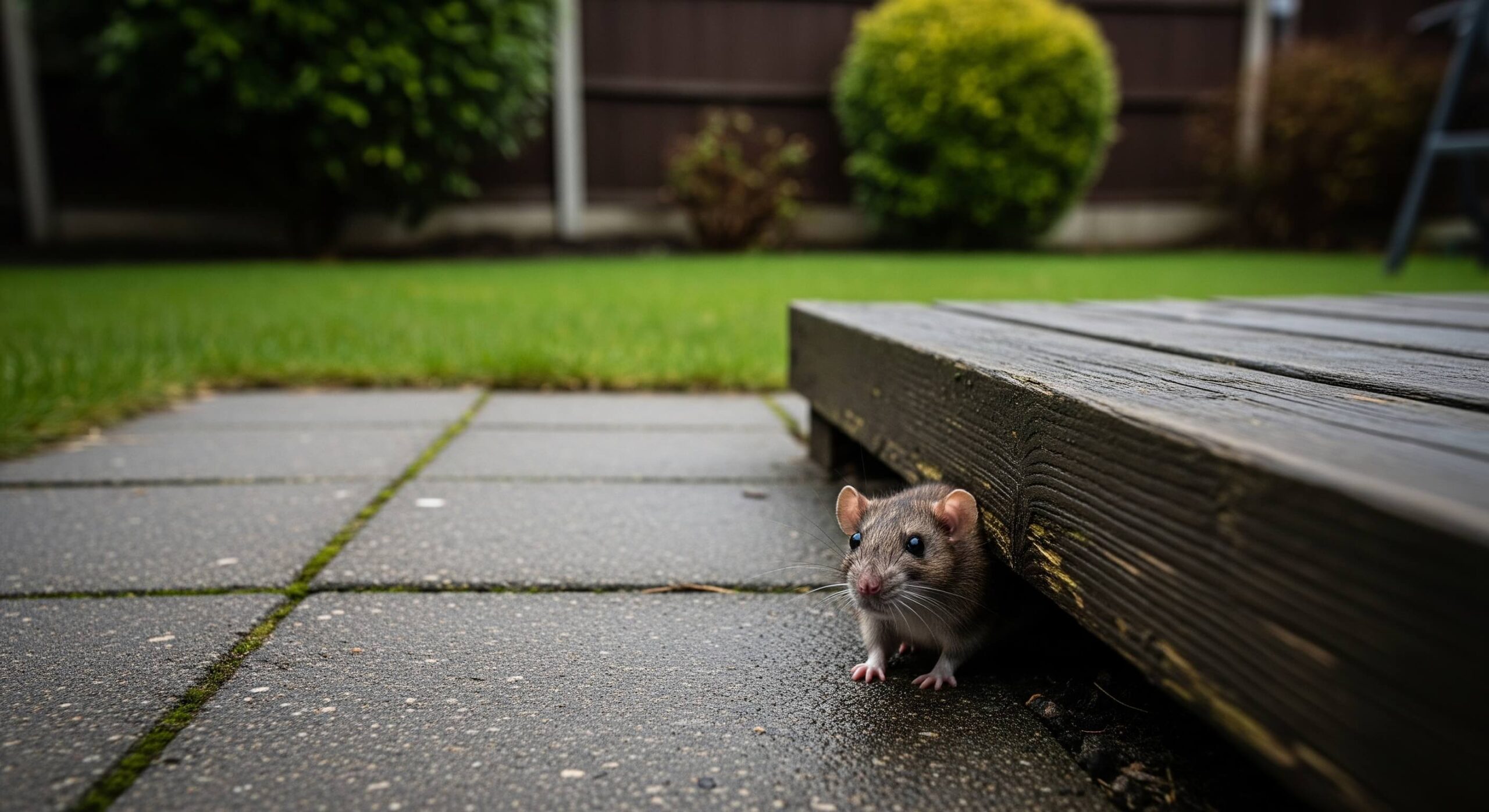

Now its fully winter we are all spending as much time as we can wrapped up in our quilts in front of warm fires or huddled around the radiators if we can still afford to use them! Each time we look out the window we just think brrrrrrr its getting cold. We however are not the only ones. Each winter we get more and more call-outs to deal with rodents, they like us hate the cold. Why though do they head into our houses? What damage can they cause? Why should we act ASAP to sort any issues? This month’s blog will help answer these questions. So grab a warm cup of tea stay wrapped up, warm and read on…
Why Winter Pushes Rodents Indoors in Glasgow
As soon as the temperatures drop, we see the same pattern across Glasgow every year. The cold snaps drive rats and mice out of gardens, sheds and outbuildings, and they start looking for somewhere warmer to settle. Scottish homes — especially older tenements and pre-war houses — give them exactly what they need: steady warmth, dry hiding spots and an easy supply of food. By the time December rolls round, many of the calls we take at Strathclyde Pest Control come from people who’ve only just started hearing scratching in the loft or behind the kitchen units when the heating comes on at night.
How cold weather changes rodent behaviour
Once winter hits, natural food sources disappear almost overnight. Wet, bitter weather forces rodents to search for sheltered spaces where they can stay warm. They naturally head for boiler cupboards, loft insulation and the gaps around heating pipes — anywhere that holds heat. The trouble is, once they’re inside, they don’t just leave droppings or make a bit of noise. They often move straight into areas where electrical wiring runs. The Scottish Fire and Rescue Service notes that damaged or exposed wiring is a known cause of domestic fires, which is why rodent activity in winter is far more than a nuisance — it can become a real safety risk if it’s not caught early.
Where rats and mice usually get in
Every home is different, but the entry points we find across Glasgow are usually the same. Gaps around old pipework, cracked air bricks, damaged vent covers, lifted roof tiles and spaces around PVC pipes give rodents quick access indoors. Once they reach the loft, they’ll use insulation, cardboard and anything soft they can find as nesting material. Older properties with exposed wooden beams give them easy routes to run across the house without being seen.

Why Rodents Chew Wires Inside Homes
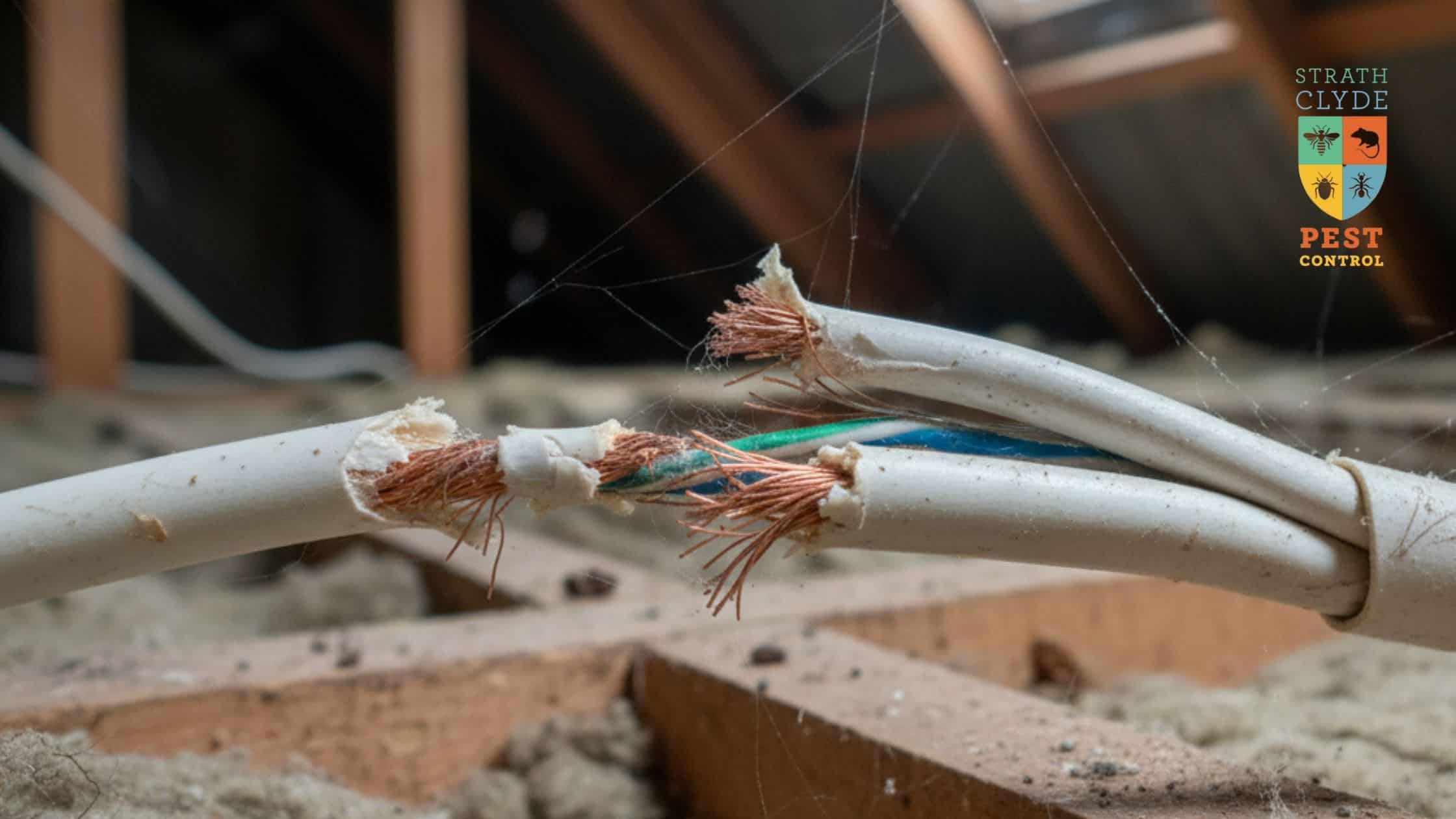
Most people assume rodents chew wiring because they’re hungry, but that’s not the case. Rats and mice gnaw constantly simply because their teeth never stop growing, so anything within reach becomes fair game. Unfortunately, in lofts and behind kitchen units, the closest thing to chew is often electrical wiring — warm, hidden and rarely disturbed.
The constant need to gnaw
Rodents will chew through timber, plastic and cable insulation without thinking twice. In winter, when they spend more time indoors, the amount of chewing naturally increases. This is why we see far more reports of damaged wiring, blown fuses and electrical faults once the colder weather arrives.
Why electrical cables become a target
Wiring tends to run beside pipes, insulation and warm cavities — all the places rodents prefer to hide. The outer coating on electrical cables is soft enough for them to strip away quickly. Homeowners usually discover the problem after a light stops working, an appliance starts flickering or a strange burning smell appears from the loft.
The Real Risk: Winter Electrical Fires and Home Damage
Chewed wiring is one of the most dangerous outcomes of a winter rodent problem. If insulation is stripped away, it doesn’t take much for a spark to occur. With lofts full of insulation, cardboard boxes and stored decorations at this time of year (especially after the festive period), the risk of fire increases.
How exposed wires can ignite
If exposed wires touch or overheat, they can arc. In confined spaces like a loft this is all it takes to start a serious fire. The risk though is higher in winter when heating is on constantly, especially if you use electric heating as this places more pressure on electrical systems, makes the cables warmer and thus more attractive to rodents. The Electrical Safety First charity has repeatedly warned homeowners about the danger of damaged wiring, you can read some of their good tips on electrical safety at home HERE

Other damage we find in Glasgow homes
Aside from wires, rodents often chew flexible boiler hoses, plastic junction boxes, insulation around hot water tanks and the coverings on stored goods. We also see damage to appliances such as washing machines, fridges and dishwashers where cables run behind units. These issues often show up long before anyone realises there is a pest problem, which is why it’s often good to carry out regular inspections especially if your property has had problems in the past.
Signs Your Home May Have a Rodent Problem
Not every sign is obvious. Many homeowners call us after weeks of activity because rodents tend to stay out of sight until the problem is well established.
Sounds, smells and visual clues to watch for
Common signs include scratching or scurrying late at night, droppings in lofts or cupboards, a musky smell in certain rooms and gnaw marks on skirting or cardboard boxes. Pets often pick up on activity long before people do. If you spot any evidence of chewed wiring, it’s best to treat it as urgent.
If you’re not sure what to look for our previous blog has some great tips, you can read it here: Top 5 Signs You Have a Rat Problem in Your Garden or Loft
How to Protect Your Home From Wire-Chewing Rodents
Stopping rodents from getting in is always easier than dealing with the damage afterwards. Winter proofing doesn’t need to be complicated, but it does need to be done properly.
Sealing entry points
Gaps around pipes, vents, rooflines and cables are usually the first place rodents sneak through. Checking these areas and sealing them can make a massive difference. Many winter infestations we attend at Strathclyde Pest Control start from one small gap a homeowner wasn’t aware of.
Reducing things rodents love and other clutter
Keep food in sealed containers, clean up spills quickly and avoid leaving pet food out overnight. In lofts and storage spaces, keep items raised and avoid using cardboard boxes where possible. Rodents love cardboard because it’s ideal nesting material. So all those deliveries you’ve had since Black Friday to the winter sales.. make sure those boxes are tidied up!
Why quick action matters in winter
Once rats or mice settle in, they rarely move on their own. Their activity increases as the temperature drops, and they can cause structural damage in a very short time. Leaving it until spring only allows the problem to spread further.
When to Call a Professional Pest Controller
If you’ve heard scratching, found droppings or noticed unusual smells, it’s time to get help rather than waiting for the weather to warm up. Winter infestations often grow quickly because rodents breed year-round inside homes.
What Strathclyde Pest Control checks during winter inspections
At Strathclyde Pest Control, we look for signs of gnawing, damaged wiring, nesting areas, food sources and any possible entry points. Our pest technicians work to BPCA standards, and we’re familiar with the problems faced by older and modern homes alike. We provide practical, long-lasting solutions, clear advice and, where needed, proofing to reduce the risk of future issues. As we are a small local company you can trust that we have the local knowledge and skill set to easily sort your rodent pest issues.
Contact Us Today For More Information
Frequently Asked Questions
What types of rodents commonly infest Glasgow homes in winter?
The most common rodents we deal with are rats, field mice and grey squirrels. These species are active all year round and move indoors once temperatures drop.
Why do rats and mice chew wires more during the colder months?
Rodents spend more time indoors when it’s cold, and they settle near warm areas where electrical wiring runs. Their teeth grow constantly, so chewing becomes a natural behaviour.
Can damaged wiring from rodents really cause a fire?
Yes. Exposed wiring can arc or spark, particularly around insulation or stored goods. According to the Scottish Fire and Rescue Service, electrical faults are a major cause of house fires.
What are the early signs of a rodent infestation besides wire damage?
Droppings, scratching noises, strange smells, food disturbances and pets reacting to certain areas of the home are all common indicators.
How can homeowners prevent rodents from reaching cables and wires?
Seal entry points, secure vents, reduce clutter and keep food stored properly. Regular loft checks during winter also help.
When should I book a professional rodent inspection?
Ideally early winter, but if you spot any signs of rodent activity, contact Strathclyde Pest Control straight away. The sooner a problem is identified, the less damage it causes.