
If you’ve ever searched for pest control FAQs Glasgow residents commonly ask, you’ll know how quickly the questions start. Is it serious? How did they get in? Can I deal with this myself? And the big one — how much is this going to cost? Running a pest control company in the East Kilbride and Glasgow area these are questions we hear regularly. Many of our customers start with “This might be a daft question, but…”
Don’t worry, there are no daft questions when it comes to pests. Whether it’s scratching in the loft, droppings under the sink, or pigeons gathering above your shop entrance, most people just want clear answers and a bit of reassurance.
So here it is. The questions we get asked most often across Glasgow and East Kilbride, along with the honest answers from a local pest control company…
What Are the Most Common Issues Covered in Pest Control FAQs Glasgow Residents Ask?
In and around East Kilbride & Glasgow the common pest problems are rats, mice, pigeons and in the summer wasps!
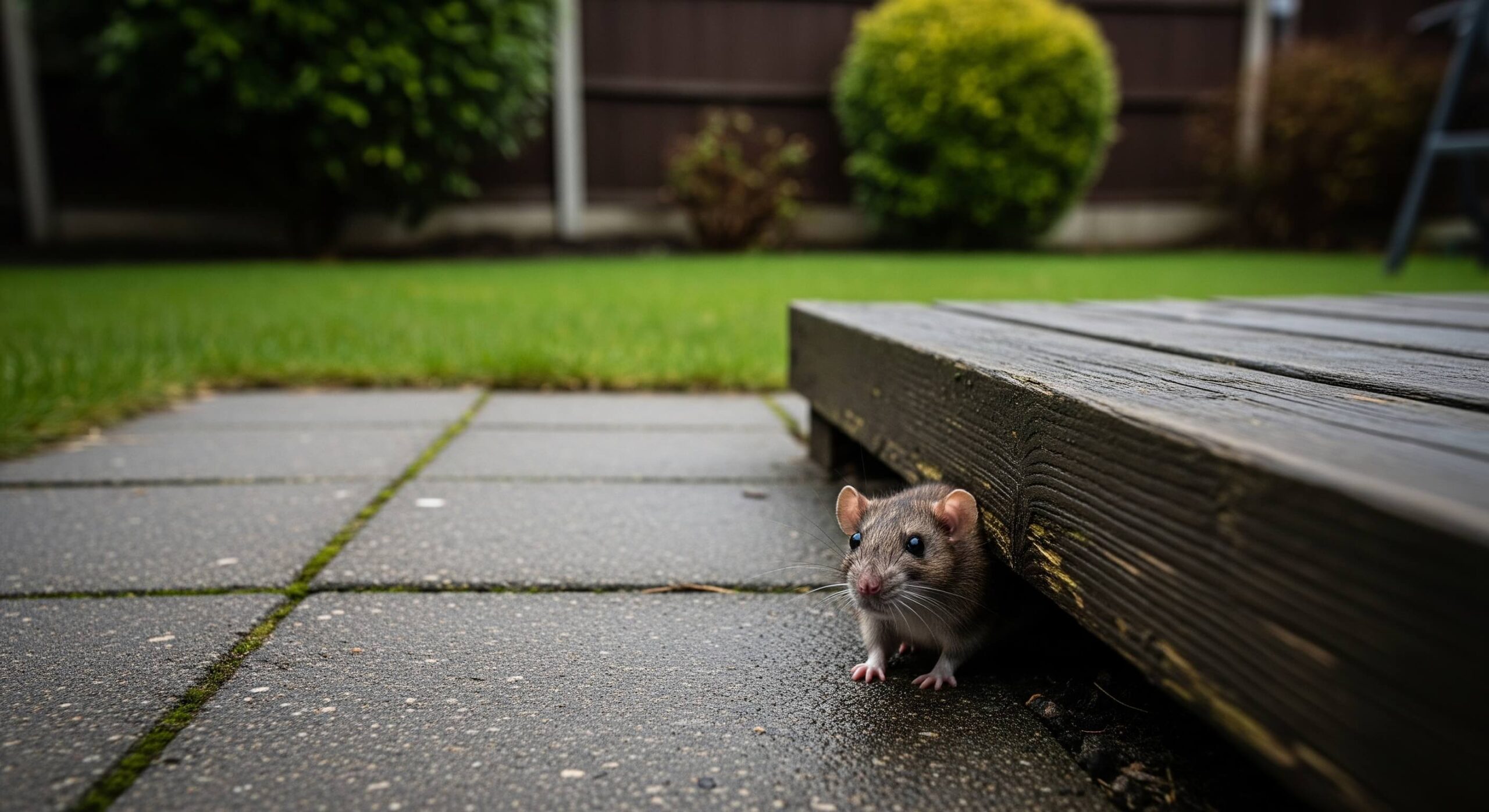
Rodents are by far the most common issue we deal with, especially in colder months when rats and mice head indoors for warmth and food. Tenement flats, older properties and commercial units near bins or waste storage tend to be at higher risk. Pigeons are a steady problem for many businesses, with fouling, blocked gutters and nesting on roof ledges or under solar panels causing ongoing maintenance issues. And once warmer weather arrives, wasp nests quickly become one of the most urgent call-outs we get. If you’re unsure what you’re dealing with, a proper pest control inspection is always the safest starting point. Correct identification makes all the difference to effective treatment.
How much does pest control cost in Glasgow?
This is one of the most common questions we get asked and often the one that decides what action is taken to deal with a pest problem. So what is the answer? The honest answer is that it depends on the pest, how established the infestation is and the size of the property.
A straightforward wasp nest treatment for example is very different from a long-standing rat problem that requires multiple visits, bait stations and proofing work. The cost of different pest control treatments is affected by considerations such as access to loft spaces, how many treatment points are needed and whether follow-up monitoring is required.
What we always say is this: acting early is usually cheaper than waiting. A small mouse issue caught quickly is far easier to manage than a widespread rodent infestation that has been active for months.
If you notice droppings, gnawing marks, scratching noises or signs of nesting, it is worth getting advice sooner rather than later.
Do I really need professional pest control, or can I do it myself?
In some cases basic steps at home can help and make a big difference. For example: keeping food sealed, reducing clutter in common pest areas, cleaning up spills quickly and sealing obvious gaps can all reduce the chance of pests entering your property and settling in. Sometimes these simple steps can stop a small pest control issue.
The issue however, is that DIY pest control often deals only with what you can see rather than the root cause of a pest problem. The kind of treatments that you can buy at your local supermarket, such as traps and sprays will deal with the visible pests but rarely address hidden nests, multiple entry points or established breeding areas.
An example is rodents. They are cautious creatures so if traps are placed incorrectly, they learn to avoid them, if bait is poorly positioned, they simply find another route.
There are some other types of infestations such as cockroaches or bed bugs that almost always require professional help. These pests hide well, often settling in cracks, deep inside furniture or walls and treating their root cause cannot be done with over the counter remedies.
So if you are unsure it’s always good to give a professional pest control service a quick call to check. At Strathclyde Pest Control we are happy to advise on how best to deal with a pest issue. We work hard to correctly identify a pest, then create a structured treatment plan and use safe approved products and methods to effectively treat any problem. If needed we will plan follow up visits to make sure your property remains pest free.
How long does pest control take to work?
The timescale depends on the pest and how severe the infestation is.
Wasp nests are usually resolved in a single visit. Rodent control typically takes longer. Bait stations need time to work and follow-up visits confirm that activity has stopped.
Insect infestations can require staged treatments. Bed bugs, for example, often need repeat visits to ensure all life stages are dealt with.
One common misconception is expecting instant results. Effective pest management is a process. That said, you should start noticing a reduction in activity once treatment is underway.
Can I contact the council about a pest problem?
In some situations, yes. Local councils in Scotland may deal with certain public health pest issues, especially in communal areas. For example you can report rat problems to Glasgow City Council here
However, council services are often limited. They may not cover all pests, may not offer rapid response times and typically do not provide full proofing work.
If the infestation is inside your property or affecting your business operations, contacting a professional pest control company is usually quicker and more comprehensive.
For rented properties, responsibility can depend on the tenancy agreement. Structural issues and serious infestations are often the landlord’s responsibility, but it is always best to check.
Are rats really getting worse in Glasgow?
You may have seen headlines about rising rat numbers in UK cities, and urban environments certainly provide what rats need. There is shelter in buildings, food from waste, drainage systems for movement and warmth from heating systems.
In Glasgow, we regularly see rat activity linked to damaged drains, unsecured bin storage and small gaps around pipework or ground-level entry points. The key issue is not that rats suddenly appear. It is that minor access points are often ignored until the problem becomes obvious.
If you notice scratching in walls, droppings, grease marks along skirting boards or burrows outside, it is best to have it checked early.
Is pest control safe for pets and children?
This is a common concern, and rightly so. Modern professional pest control treatments are designed to be used in a controlled and responsible way. A qualified technician will assess the environment, use appropriate products and provide clear guidance.
In some cases, pets may need to be kept away from treated areas temporarily. Safety is always part of the planning.
Improper use of shop-bought poisons or chemical sprays can actually present greater risks than professional treatment. If you have pets, young children or specific concerns, it is always worth mentioning this during the initial discussion so the treatment plan can be adjusted.
What are common pest control mistakes?
The biggest mistake is waiting. Early signs get ignored, and what could have been a small, contained issue becomes a much bigger one.
Another common error is sealing entry points before the pest has been dealt with. If rodents are still inside and you block their exit, they will simply chew or force a new route through the building.Overusing sprays is also typical. In many cases, this pushes insects deeper into cracks and hidden areas rather than solving the source of the problem.Treatment without addressing food sources or access points rarely lasts. Effective pest control is always about two things: removing the current activity and preventing it from returning.
How can I prevent pests from coming back?
Prevention is about making your property less attractive and less accessible.
Sealing gaps around pipes and utility lines, repairing damaged air bricks, keeping bins secure, storing food in sealed containers and maintaining gutters all reduce risk.
For businesses, ongoing pest management contracts and routine inspections can provide peace of mind and help catch issues before they escalate.
The aim is simple: remove easy food, easy shelter and easy access
Other questions?
If you have some other questions that were not mentioned above please feel to get in contact with us at any time, we are always happy to help and share our knowledge on how to deal with pests in East Kilbride & Glasgow. With years of experience we know our pests and how to get rid of them!
We hope this guide to pest control FAQs Glasgow homeowners and businesses ask has helped clarify things.